What to Expect When Hiring a Voice Actor in 2026
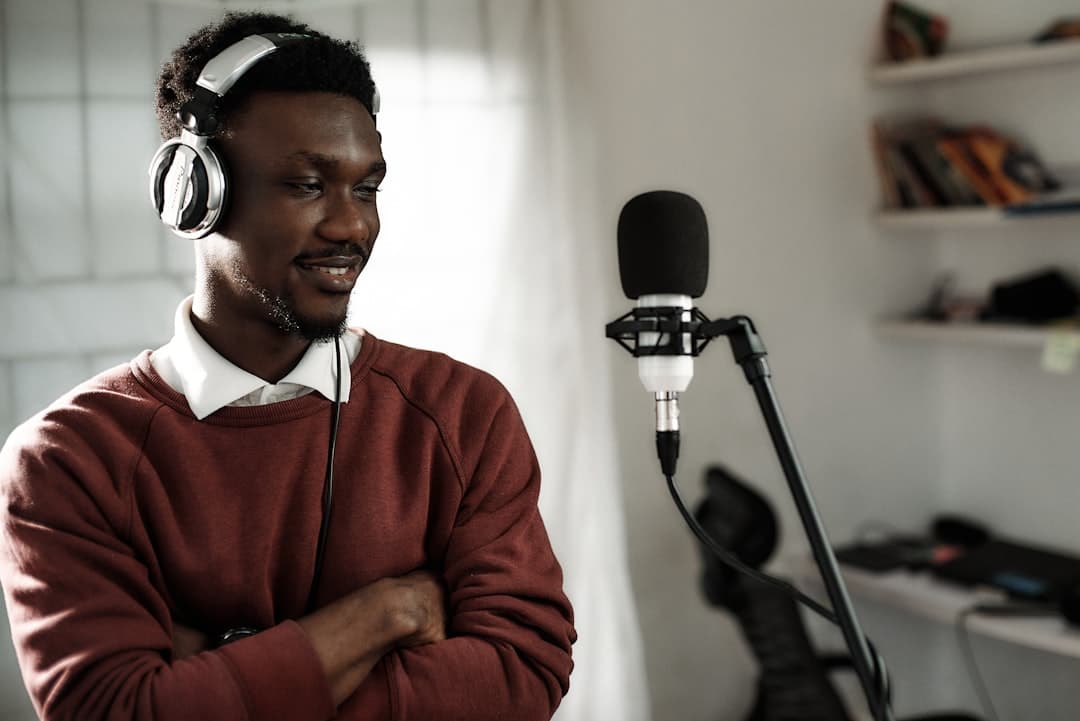
Most people who reach out to me for the first time have the same question, even if they don't say it directly: "How does this actually work?" They've got a project, they know they need professional voiceover, but the hiring a voice actor process is unfamiliar territory. That's completely fair. If you've never booked VO talent before, it can feel like guessing your way through someone else's workflow.
So let me walk you through it. From first contact to final delivery, here's what working with a voice actor looks like in 2026.
Start With the Script (Or at Least a Rough Idea)
Before you reach out to any voice actor, get your script as close to final as possible. A finished script lets the talent give you an accurate quote, a realistic timeline, and an audition or sample read that actually reflects the finished product.
If your script isn't finalized yet, that's okay. Just be upfront about it. I've worked with clients who had a polished 30-second commercial script ready to go, and I've worked with teams still figuring out their messaging for a 20-module e-learning course. Both are fine. What matters is that you communicate where you are in the process.
Here's what's helpful to include when you first make contact:
- The script or a description of the project scope
- Intended use (broadcast, internal training, social media, etc.)
- Desired tone or style references
- Any hard deadlines
- File format preferences (WAV, MP3, specific sample rates)
This kind of detail speeds everything up and helps the voice actor give you exactly what you need on the first pass.
How to Hire Voiceover Talent (Without the Runaround)
There are a few common paths when you're figuring out how to hire voiceover talent. You might find someone through a talent agency, a pay-to-play site like Voices.com or Voice123, or by going directly to a voice actor's website.
Going direct is often the simplest route. You skip the middleman, communicate with the person actually doing the work, and typically get faster turnaround. That's how most of my clients find me. They land on my site, listen to demos, and send a message.
Once you've made contact, here's the typical flow:
- Initial conversation. We talk about your project, usage, timeline, and budget. This can happen over email, a quick phone call, or a video chat.
- Quote and agreement. I send a rate based on the scope and usage rights. For a 30-second commercial spot with regional broadcast rights, that's a very different number than a 2-hour audiobook. Once we agree on terms, I send a simple agreement or invoice.
- Recording. I record in my studio here in Orlando, inside a Whisper Room vocal booth using a Sennheiser MKH416 through an Apollo Twin interface. You get broadcast-quality audio without needing to book a studio on your end.
- Editing and delivery. After the raw recording, I edit and process the files at my desk using Reaper and iZotope RX 11 Advanced. That means clean, polished audio with noise removal, mouth click cleanup, and proper leveling before it ever reaches your inbox.
That's it. No mysterious production pipeline. No layers of approvals you can't see.
Timelines: How Long Does This Actually Take?
This is the question I get most often, and the honest answer is: it depends on the project, but probably faster than you think.
A short commercial or explainer video (under two minutes of finished audio) usually ships within 24 to 48 hours after I receive the final script and signed agreement. Longer projects like e-learning modules or audiobooks have longer timelines, but I'll give you a clear schedule before we start.
Rush jobs? They happen. If you need something turned around same-day, just ask. I can often make it work, especially for shorter scripts. Rush fees may apply, but I'd rather have the conversation than have you assume it's not possible.
The biggest thing that affects timeline on your end is script revisions. If the script changes after recording, that means re-recording. Building in time for internal approvals before the session saves everyone time and money.
What You'll Actually Receive
When the project wraps, you'll get final audio files delivered to your specs. Common deliverables include:
- WAV files at 48kHz/24-bit for broadcast or video production
- MP3 files for web, social, or internal use
- Split files if you need individual sections, chapters, or alternate takes separated out
- Raw and processed versions if your team wants to handle their own post-production
I always ask about file format preferences up front so there's no back-and-forth at the finish line. If you're not sure what you need, I'll recommend the right format based on where the audio is going.
Revisions and Directed Sessions
Most projects include at least one round of revisions. That means if the read is slightly off on tone, pacing, or pronunciation, I'll re-record those sections at no extra charge. It's a normal part of working with a voice actor, and you should never feel bad about asking.
For bigger or more nuanced projects, a live directed session is worth considering. You hop on a Zoom or phone call, listen in real time while I record, and give direction on the fly. This works especially well for commercial and animation work where timing and delivery are critical. Directed sessions take a little more scheduling but often eliminate the need for revisions entirely.
Working With a Voice Actor Long-Term
Some of my favorite projects are ongoing relationships. A client needs a new e-learning module every quarter, or they're running a video series and want a consistent voice throughout. When you've already established the tone, the style, and the workflow, everything moves faster.
If you find a voice actor whose sound fits your brand, hold onto them. Consistency matters more than most people realize, especially for corporate and commercial work where your audience hears the same voice across multiple touchpoints.
Ready to Get Started?
If you've got a project on deck and you're still figuring out the hiring a voice actor process, I'm happy to answer questions before you commit to anything. Send me your script or project details through my contact page, and I'll get back to you with a quote and a timeline. No pressure, no runaround.
Need a voice for your project?
Broadcast quality voiceover from my studio, priced instantly by script length. From $75.
Written by
Trevor O'Hare
Podcast Editor & Producer
I'm Trevor O'Hare. I edit podcasts for a living, backed by more than 20 years in professional audio. If your show needs a steadier sound, or your week needs fewer editing hours, that's what I do. Flat rates start at $100 per episode.
Learning voiceover? I also teach at VOTrainer.com.