Hiring Voice Actors for Video Games: A Full Guide
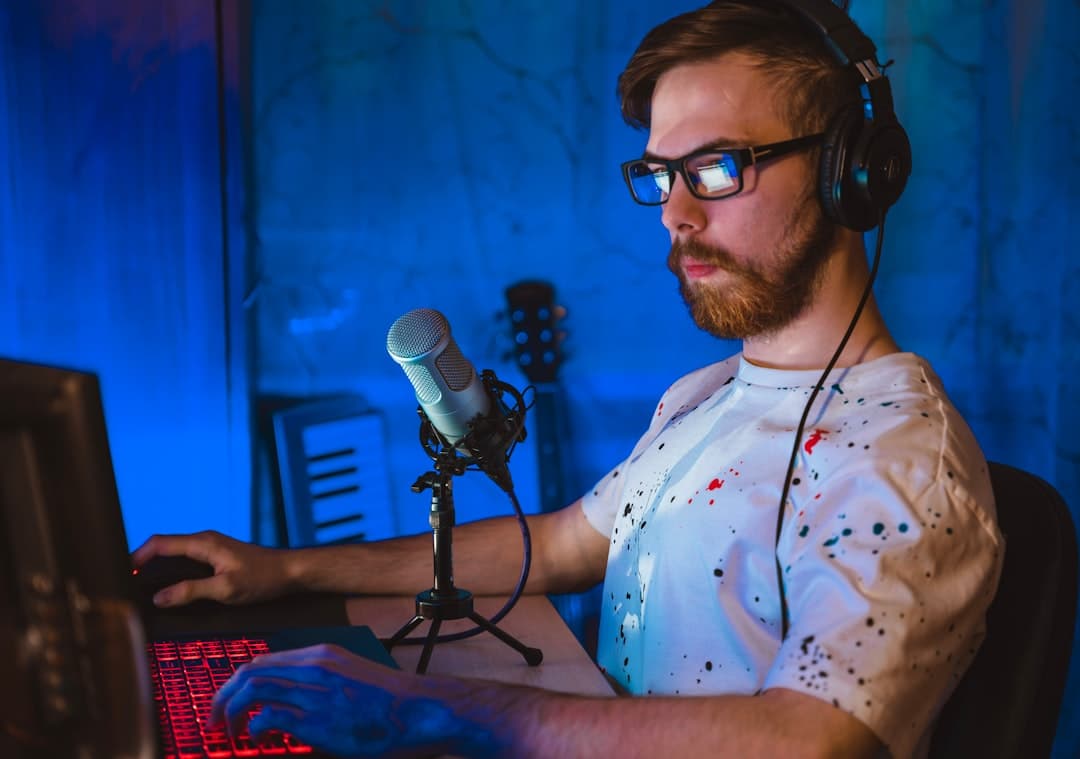
Your game's characters exist in code and art until a voice actor breathes life into them. The right voice performance turns a 2D sprite or 3D model into someone players actually care about. The wrong one pulls players out of the experience faster than a graphical glitch.
I've voiced characters ranging from grizzled NPCs to comedic sidekicks, and I've seen the process work beautifully and fall apart completely. The difference almost always comes down to how the developer approached hiring and directing their voice talent.
Why Professional Voice Talent Matters for Games
Placeholder voices or amateur recordings might seem fine during early development, but they create problems that compound. Inconsistent audio quality between characters is immediately noticeable. Flat performances make dialogue feel like a chore to sit through. And re-recording later costs more than doing it right the first time.
A professional video game voice actor brings three things to your project:
- Consistent, broadcast-quality audio recorded in a treated space with professional equipment
- Character performance skills that go beyond just reading lines clearly
- Session efficiency that saves you hours of directing and retakes
Indie games compete for attention alongside AAA titles. Players have heard what great voice acting sounds like in games like Hades, Disco Elysium, and Baldur's Gate 3. Their expectations are calibrated accordingly, even for smaller titles.
Where to Find Game Voice Actors
You have several options for finding voice talent for games, each with different tradeoffs:
Casting sites and marketplaces like Voices.com, Voice123, or Casting Call Club let you post auditions and receive submissions. The volume of responses can be overwhelming, but you'll hear a wide range of performers.
Direct outreach to voice actors whose work you admire. Most of us have demos on our websites showing character range. If you hear a voice that fits your character, reach out directly. We appreciate developers who've done their homework.
Talent agencies handle the business side and can suggest performers you might not find on your own. This is more common for larger projects with bigger budgets, but some agencies work with indie studios too.
Social media and VO communities on platforms like Twitter/X, Reddit (r/VoiceActing, r/gamedev), and Discord servers dedicated to game audio. Many working voice actors are active in these spaces.
Writing an Effective Casting Call
A vague casting call attracts vague auditions. The more specific you are about what you need, the better submissions you'll receive. Your posting should include:
- Character description with personality traits, age range, and backstory context
- Reference performances from existing games, films, or shows (saying "think Nathan Drake meets Spider-Man" gives actors a clear target)
- Sample lines that showcase the range of emotion the character needs (include both calm dialogue and intense moments)
- Technical requirements like sample rate, file format, and whether you need raw or processed audio
- Project scope including estimated word count or line count, timeline, and compensation
Be upfront about budget. Professional voice talent sets rates based on word count, session length, or a per-project fee. If you're working with a limited budget, say so. Many voice actors will work with indie developers on reasonable terms, especially for interesting projects. But nobody appreciates discovering the budget after they've already invested time auditioning.
Directing Voice Actors for Character Performances
Game character voiceover requires different direction than commercial or narration work. Characters need to feel alive across potentially hundreds of lines that players might hear in any order.
Provide context for every line. Don't just hand over a spreadsheet of dialogue. Tell your actor what's happening in the scene, what the character wants, and what just happened before this line triggers. A line like "We need to move" sounds completely different depending on whether the character is excited, terrified, or exhausted.
Record in logical groups. Organize sessions by emotional state or scene rather than alphabetically or by file name. This helps the actor stay in character and maintain consistency.
Allow for variations. Ask for two or three takes with different reads. You might discover that the angry version of a line works better than the sad one you originally imagined. This flexibility during recording saves you from booking another session later.
Give specific, actionable feedback. Instead of "make it more intense," try "this character just watched their home burn down, and they're trying to hold it together in front of their team." Actors work with motivation and context, not abstract adjectives.
Budget and Rate Considerations
Rates for game voice acting vary widely based on project scope, the actor's experience, and whether the work is union or non-union. A few common pricing structures:
- Per word rates typically range from $0.10 to $0.50+ per word depending on the performer
- Per finished hour works better for longer-form content like narration-heavy RPGs
- Session-based pricing (usually 2 or 4 hour sessions) is common for larger projects
- Per project flat fees work well for smaller indie games with defined scope
For indie developers with tight budgets, be transparent about what you can afford. Many voice actors, myself included, are willing to discuss flexible arrangements for compelling projects. What matters is mutual respect and clear expectations from the start.
Also factor in potential additional costs: retakes, additional lines added during development, and whether you need usage rights beyond the game itself (trailers, marketing materials, DLC).
Making the Relationship Work Long-Term
The best game developers I've worked with treat voice actors as creative collaborators, not interchangeable audio assets. A few things that make the process smooth:
- Sign a clear contract before any recording begins, covering scope, payment terms, usage rights, and credit
- Pay on time. This seems obvious, but it's the single fastest way to build a reputation that attracts great talent for your next project
- Provide credit in your game and marketing materials
- Keep communication open during development, especially if the script changes or the project timeline shifts
- Share the finished product. Voice actors love seeing (and sharing) the final result of their work
If you hire voice talent for games and treat the relationship well, you build a roster of performers who know your creative vision and will prioritize your future projects. That continuity shows in the final product.
Ready to Cast Your Characters?
Finding the right video game voice actor for your project starts with knowing what you need and communicating it clearly. Write detailed character breakdowns, set realistic budgets, and direct with specificity.
If you're developing a game and looking for professional character voiceover, I'd be happy to discuss your project. You can hear my character demo reel on my site and reach out directly to talk about bringing your characters to life.
Need a voice for your project?
Broadcast quality voiceover from my studio, priced instantly by script length. From $75.
Written by

Trevor O'Hare
Podcast Editor & Producer
I'm Trevor O'Hare. I edit podcasts for a living, backed by more than 20 years in professional audio. If your show needs a steadier sound, or your week needs fewer editing hours, that's what I do. Flat rates start at $100 per episode.
Learning voiceover? I also teach at VOTrainer.com.