Professional Voiceover for Financial Services Marketing
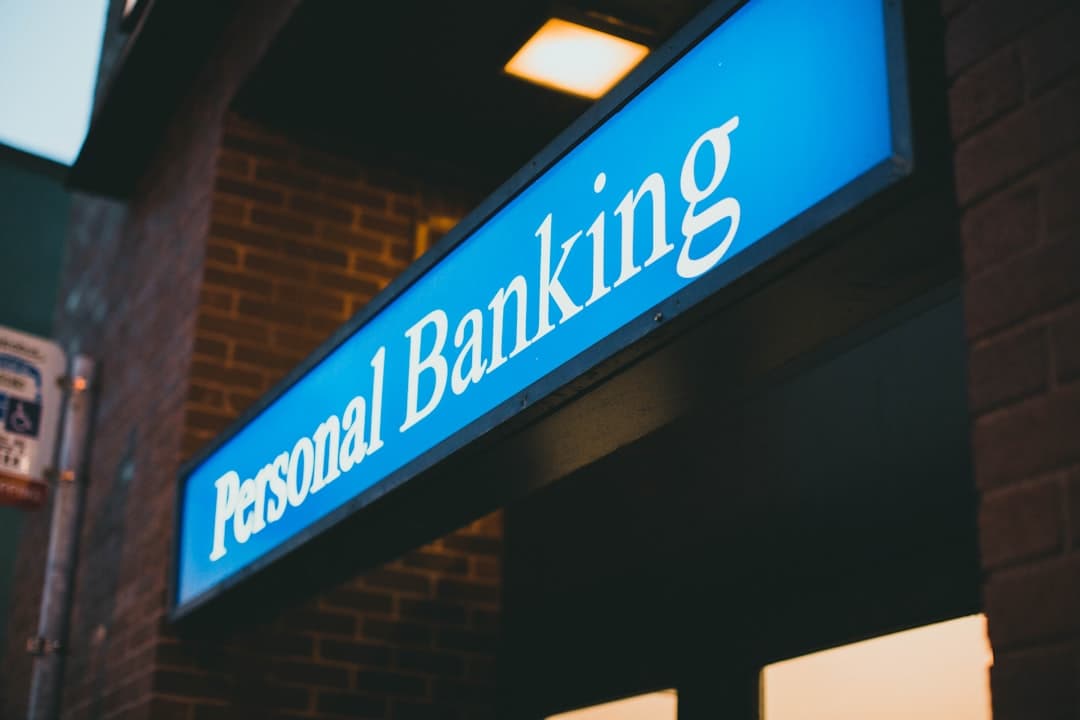
Financial brands ask for something most companies never have to: permission to hold other people's money. A retail spot can get away with a quirky read or a trendy delivery. A commercial for a bank, an insurance product, or an investment platform cannot, because the listener is quietly asking one question the entire time. Can I trust these people? The voice on your commercial, explainer video, or on-hold system is answering that question before your copy ever gets a chance to. That's why financial services voiceover is its own discipline, and why marketing teams in banking, insurance, and wealth management tend to be the most exacting clients I work with. I welcome that.
Trust Is the Product You're Actually Selling
Checking accounts, term life policies, and index funds are largely commodities. What separates one institution from another in a thirty-second spot is how the brand feels, and the voice carries most of that feeling. A read that sounds overly hyped triggers the same instinct in listeners that a pushy salesperson does. A read that sounds flat and corporate suggests the institution sees customers as account numbers.
The target is a narrow band in between: warm enough to sound human, steady enough to sound competent. In practice, that means a conversational pace with very little vocal strain, clear articulation without sounding clipped, and an emotional tone closer to a trusted advisor explaining options than an announcer pushing a deal. When I record a banking commercial voice track, I'm usually aiming for the sound of someone who has answered this customer's question a thousand times and still cares about answering it well.
A practical example: a line like "Your first year of checking is free" can be read as an exciting offer or as a simple, confident fact. For most financial brands, the second read wins. Excitement fades in three seconds. Credibility carries the whole spot.
What Regulated Content Demands From Voice Talent
Marketing teams at financial firms work under rules that most voice actors never think about. FINRA Rule 2210 requires that broker-dealer communications with the public be fair, balanced, and not misleading. Registered investment advisers work under the SEC's Marketing Rule. Insurance marketing answers to state regulators. I'm not your compliance department, and I won't pretend to be, but I've recorded enough regulated content to know how those constraints shape a session.
Three things follow from that:
- Script fidelity matters. In most commercial genres, a good voice actor might suggest smoothing an awkward phrase. On regulated copy, the language was likely negotiated word by word with compliance. I read what's approved, exactly as approved, and I flag questions before recording rather than improvising around them.
- Disclaimers deserve a real performance. The required disclosure at the end of your spot still represents your brand. Rushing through "Member FDIC" or "Investments are not FDIC insured, may lose value" in a mumbled sprint undercuts the trust the previous twenty-five seconds built. There's a professional skill to reading disclosure copy quickly, clearly, and intelligibly within a strict time limit, and it's one of the most requested skills in this genre.
- Revisions are normal, so the workflow should expect them. Compliance review often comes back after the first recording with changed language. I keep session settings documented so a pickup recorded two weeks later matches the original take in tone, level, and room sound. Your editor should never be able to hear where the new sentence was stitched in.
Investment Video Narration and the Art of Making Complexity Clear
A growing share of my financial work is long-form: fund explainers, shareholder communications, retirement plan enrollment videos, and client education series. Investment video narration is a different job than a thirty-second spot. The job is to guide the listener through material they may find intimidating.
The craft here is pacing and emphasis. A sentence like "Diversification spreads your investment across asset classes to reduce the impact of any single holding" only lands if the key terms get room to breathe. I slow slightly on the concept words, keep energy consistent across what might be a twelve-minute script, and resist the temptation to sound impressed by the material. Narration that sounds smarter than its audience loses them; narration that respects them keeps them watching.
For e-learning style financial content, consistency across modules matters as much as any single read. If your compliance training or advisor onboarding series will grow over time, hire a voice and a studio that can reproduce the same sound in module twelve that you got in module one.
What You Get From a Professional Studio Setup
Financial brands spend real money on video production, media placement, and design. The audio should meet that standard, and this is where working with an established professional pays off in ways that are easy to hear.
I record in a Whisper Room vocal booth using a Sennheiser MKH416 into an Apollo Twin interface. The booth exists for one purpose: a quiet, treated space where the only thing on the recording is my voice. Editing and post-production happen at my desk in Reaper, with iZotope RX 11 Advanced handling any cleanup, so what you receive is broadcast-ready audio that drops straight into your video edit or radio buy without your team doing rescue work.
For marketing teams, the practical benefits look like this:
- Fast turnaround on scripts and pickups, since everything happens in-house at my Orlando studio
- Consistent audio quality across campaigns, so your Q3 spot matches your Q1 spot
- Directed sessions via remote link when your team, agency, or compliance officer wants to listen in and give notes in real time
- Clean file delivery in whatever specs your editor or media buyer requires
Finding the Right Voice for Your Financial Brand
If you're casting for a bank commercial, an insurance explainer, or investment video narration, listen for three things in every audition: does the voice sound like someone you'd take financial advice from, does the disclosure read hold up as well as the headline copy, and does the demo show range within the credible-and-warm zone your brand needs.
Then ask about process. How does the talent handle compliance-driven revisions? Can they match previous sessions for pickups? What does their studio chain look like? The answers separate professionals from hobbyists with a microphone.
I've built my voiceover business around exactly this kind of work: commercial, narration, and e-learning projects where credibility is the whole assignment. If your team is producing financial services marketing and needs a voice your customers and your compliance department can both sign off on, reach out through my contact page. Send the script if you have one, and I'll send back a custom audition so you can hear your words in my voice before you commit to anything.
Need a voice for your project?
Broadcast quality voiceover from my studio, priced instantly by script length. From $75.
Written by

Trevor O'Hare
Podcast Editor & Producer
I'm Trevor O'Hare. I edit podcasts for a living, backed by more than 20 years in professional audio. If your show needs a steadier sound, or your week needs fewer editing hours, that's what I do. Flat rates start at $100 per episode.
Learning voiceover? I also teach at VOTrainer.com.