How to Pitch Your Podcast to Sponsors Successfully
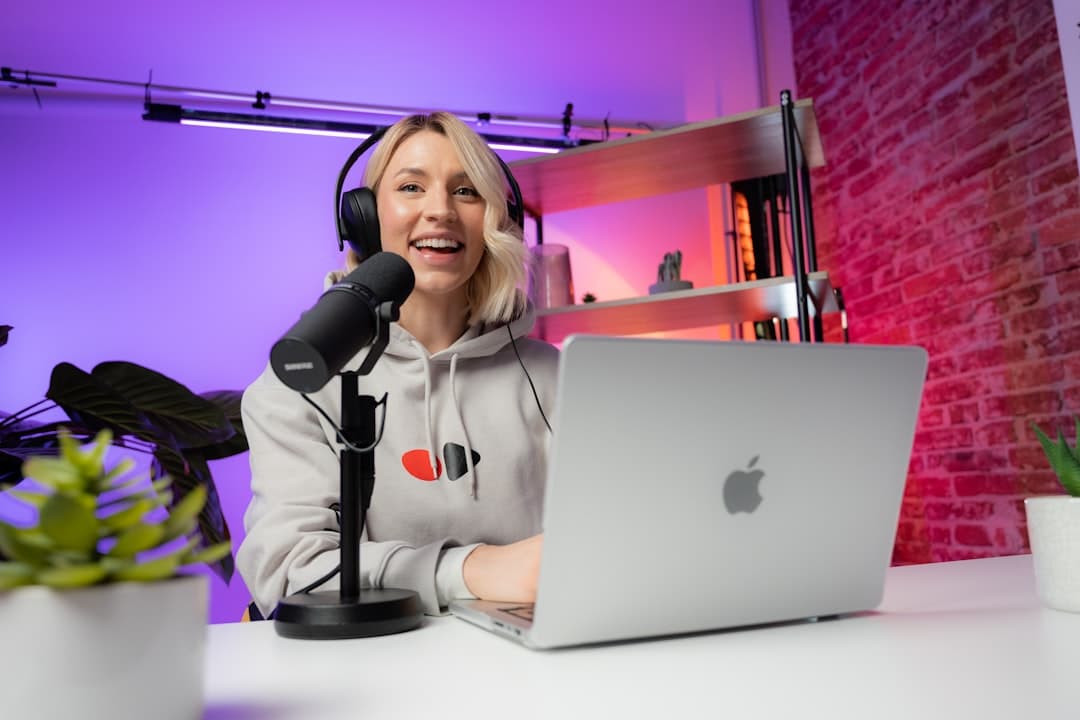
Most podcasters think the path to sponsorship starts with growing a massive audience. And sure, numbers matter. But after years of producing and editing podcasts here in Orlando, I can tell you that plenty of shows with modest download counts land solid advertising deals while bigger shows get ignored. The difference almost always comes down to how you pitch podcast to sponsors and whether your show sounds like something a brand wants to be associated with.
Let me walk you through what actually works.
Know What Sponsors Are Really Buying
Before you write a single pitch email, you need to understand what's on the other side of the table. Sponsors aren't just buying ad reads. They're buying trust, audience attention, and brand association.
That means they're evaluating your show on several levels:
- Audience fit. Does your listener demographic match their customer base?
- Engagement quality. Are your listeners actually paying attention, or is your show background noise?
- Production value. Does the show sound professional enough that their brand won't look cheap next to it?
That last point gets overlooked constantly. A sponsor hearing your show for the first time is making a gut judgment fast. Room echo, inconsistent levels, mouth clicks, and muddy audio all send the same message: this show isn't ready for prime time.
Get Your Production Quality Sponsor-Ready
This is where I see the biggest gap between podcasters who get podcast advertising deals and those who don't. Your content can be incredible, but if it sounds like it was recorded in a bathroom, sponsors will pass.
Here's the baseline sponsors expect:
- Clean, consistent audio levels across all speakers and episodes
- No distracting background noise or room reflections
- Professional intro/outro with music and branding
- Edited conversations that cut dead air, rambling tangents, and filler words
- Proper loudness standards (aim for around -16 LUFS integrated loudness)
I edit podcasts daily using Reaper and iZotope RX 11 Advanced, and the difference between raw recordings and a properly produced episode is night and day. If you're not confident in your post-production skills, hiring a podcast editor or production company is one of the best investments you can make before approaching sponsors. It pays for itself once that first deal comes through.
Build a Media Kit That Does the Heavy Lifting
Your pitch needs a media kit. Think of it as a resume for your podcast. Sponsors receive pitches constantly, and the ones that stand out come with a polished, easy-to-scan document that answers their questions before they have to ask.
Your media kit should include:
- Show description in two to three sentences
- Target audience demographics (age range, interests, profession, location if relevant)
- Average downloads per episode and monthly totals (be honest here)
- Release schedule and episode format
- Sponsorship options (pre-roll, mid-roll, post-roll, or custom integrations)
- Pricing or rate card (or state that you're open to discussion)
- Testimonials or case studies from previous sponsors, if you have them
- Links to two or three strong episodes that showcase your best work
Design matters. A clean PDF with your podcast artwork and consistent formatting tells sponsors you take this seriously. A wall of plain text in an email body tells them you don't.
Write Pitches That Are Specific, Not Generic
The fastest way to get your pitch deleted is to send something that reads like a template blasted out to 200 companies. Sponsors can spot those immediately.
Instead, do your homework. When you pitch podcast to sponsors, reference their actual products, explain why your audience is a natural fit, and describe the kind of integration you have in mind. Make it clear you've listened to their other podcast ads or studied their marketing.
A strong pitch email hits these points in under 300 words:
- Who you are and what your show covers
- Why their brand is a specific fit for your audience
- A brief stat or two about your reach (downloads, social following, email list)
- What sponsorship format you're proposing
- An attached or linked media kit
Keep it short. Keep it specific. And follow up once after a week if you don't hear back. More than that and you're in spam territory.
Start Small and Build a Track Record
If you're putting together your first podcast sponsorship guide for yourself, resist the urge to swing for the biggest brand you can think of right away. Smaller, niche companies that directly serve your audience are far more likely to say yes, and they'll often be more flexible on terms.
A few ways to build early momentum:
- Affiliate deals let you earn commission without requiring a minimum audience size
- Value exchanges with small brands (free product in exchange for ad reads) give you sponsor experience and testimonials
- Local businesses in your area often have marketing budgets and zero podcast experience, which means less competition for you
Once you have two or three sponsors under your belt, you have social proof. Future pitches become dramatically easier because you can point to real results.
Make It Easy for Them to Say Yes
Sponsors are busy. The easier you make the decision, the better your odds. That means having sample ad reads recorded and ready to share. It means offering clear pricing with no ambiguity. It means having a professional show they can listen to right now and feel good about.
I've worked with podcasters who completely transformed their sponsorship results just by investing in proper production and putting together a real media kit. The content was already there. The audience was already there. They just needed to package everything in a way that made brands confident enough to write a check.
If your podcast sounds great and you show up with a clear, specific pitch, you're already ahead of most shows competing for the same dollars. And if you need help getting your production quality to that level, that's exactly the kind of work we do here at Trevor O'Hare Productions. Reach out anytime.
Stop editing your own show.
I edit podcasts for a flat rate, starting at $100 per episode, with a three day turnaround.
Written by
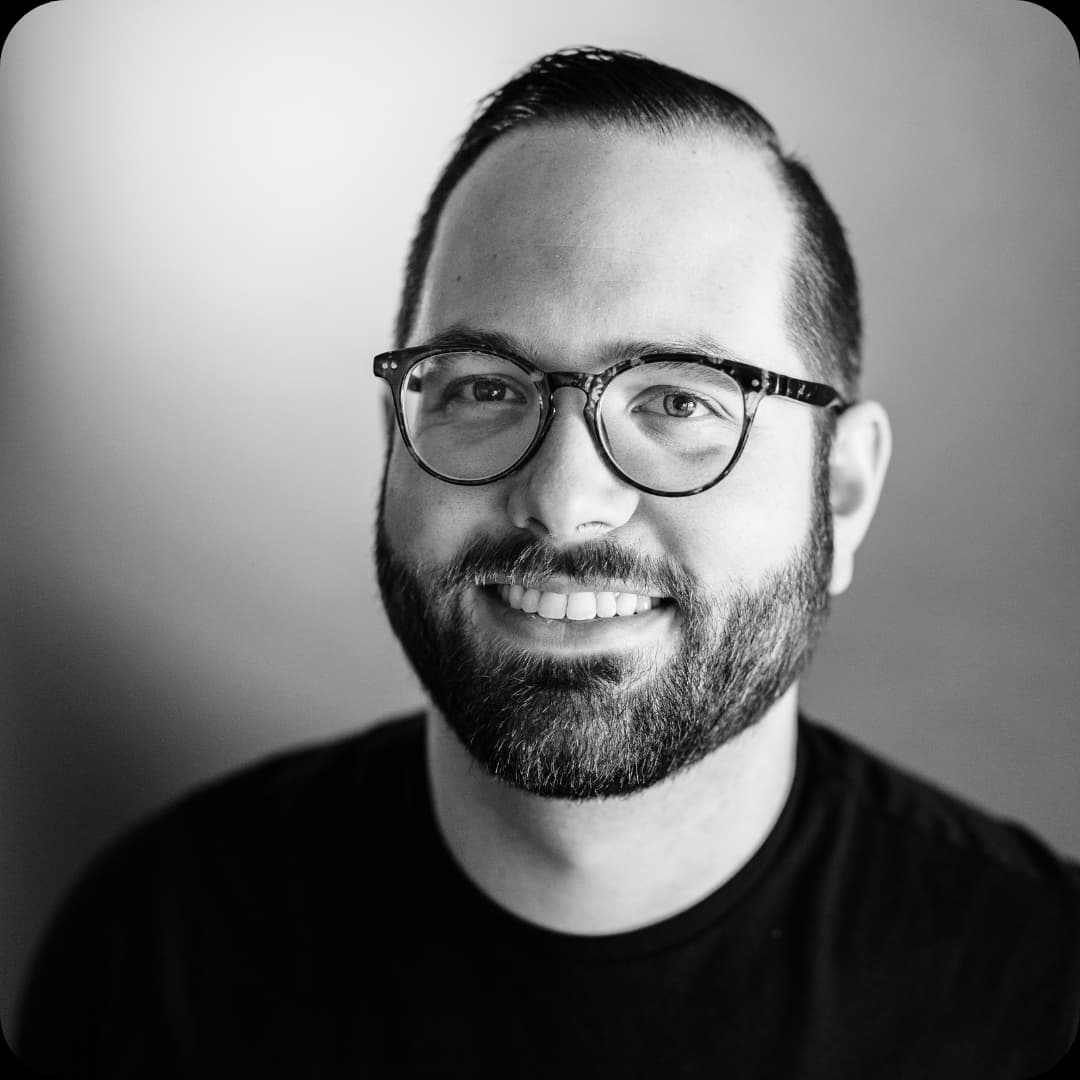
Trevor O'Hare
Podcast Editor & Producer
I'm Trevor O'Hare. I edit podcasts for a living, backed by more than 20 years in professional audio. If your show needs a steadier sound, or your week needs fewer editing hours, that's what I do. Flat rates start at $100 per episode.
Learning voiceover? I also teach at VOTrainer.com.