Signs Your Podcast Needs a Rebrand or Audio Refresh
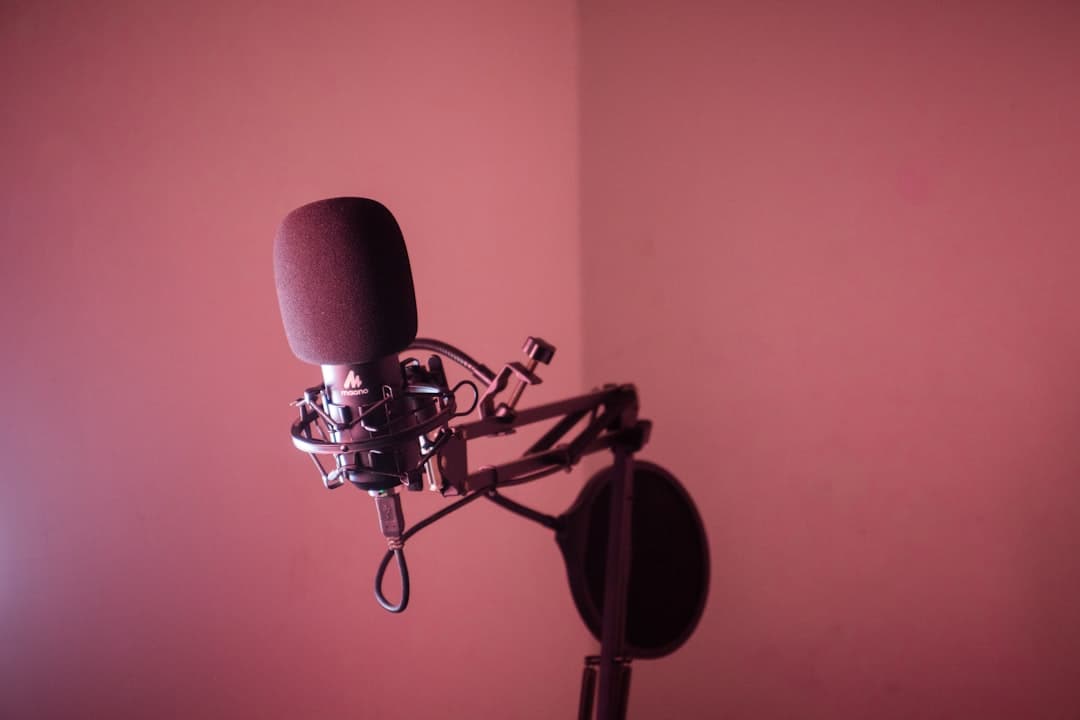
Most podcasts do not fail loudly. They drift. Downloads plateau, the intro you made three years ago starts to feel stale, and episodes go out sounding slightly different from week to week. If your show has been running for a while and growth has gone flat, the problem is often the packaging and the production around your content rather than the content itself. A podcast rebrand or an audio refresh can restart momentum, but only if you can recognize the signs that you actually need one. After producing and editing shows for clients over the years, I have seen the same warning signals come up again and again. Here are the big ones.
Your Downloads Have Been Flat for Six Months or More
Every show hits plateaus. A few slow weeks in the summer is normal. But if your download numbers have been sitting at the same level for two or three quarters while you are still publishing consistently, something structural is holding you back.
Here is a quick diagnostic I walk clients through. Pull up your analytics and look at two numbers: how many new listeners sample your show, and how many of them stick around past the first episode. If people are finding you but not staying, that points to a first-impression problem. Your cover art, your show description, your intro, and your audio quality are all part of that first impression, and they are all fixable without changing a word of your actual content.
If nobody is finding you in the first place, that is more of a positioning issue, which brings us to the rebrand side of the equation.
Your Show Has Outgrown Its Original Premise
Go back and read your show description. Does it still describe what you actually make? I see this constantly with shows that have been running for two or more years. A podcast that launched as "interviews with local business owners" is now really about marketing strategy. A hobby show about home recording gradually became a show about creative careers.
That drift is healthy. It means you followed what your audience responded to. But when your title, artwork, and description no longer match the content, new listeners get confused and existing listeners struggle to recommend you. A recommendation only works if the person receiving it can look at your show page and immediately understand what they are getting.
A podcast rebrand in this situation means realigning the name, artwork, description, and episode structure around what the show has become. That is scary for a lot of hosts because it feels like abandoning their history. In practice, your back catalog comes with you, and a well-communicated rebrand episode often becomes one of the most-listened episodes of the year.
You Cringe When You Hear Your Older Episodes
Play your first episode back to back with your most recent one. If your recent episode makes the old one sound rough, congratulations, you have improved. But now play your most recent episode next to two or three of the top shows in your category. That comparison is the one that matters, because that is the comparison every new listener makes, whether they realize it or not.
Common audio problems I hear when clients bring me shows to refresh:
- Room echo. Recording in an untreated space puts a hollow, boxy quality on the voice that listeners register as amateur even if they cannot name it.
- Inconsistent levels. The host is loud, the guest is quiet, the music blasts in at double the volume of the dialogue.
- Mouth noise and harsh sibilance. Clicks, smacks, and piercing S sounds that fatigue listeners on headphones.
- Background hum. Air conditioning, computer fans, and refrigerator drone all add up to a bed of noise under every word.
None of these require re-recording your show from scratch. Most of them are treatable in post-production. In my own studio, I record in a Whisper Room booth to keep the raw tracks clean, then handle repair and polish at the desk in Reaper with iZotope RX 11 Advanced. Tools like RX can pull hum, clicks, and a surprising amount of room tone out of existing recordings, which means even your back catalog can benefit from a proper audio refresh.
Every Episode Sounds a Little Different
Consistency is one of the clearest markers separating professionally produced shows from DIY ones. If episode 40 is noticeably louder than episode 41, or your remote guests sound like they are calling from a tunnel while you sound crisp, listeners feel the seams.
The fix is a production standard: a documented target loudness, a consistent EQ and processing chain for your voice, a defined approach for handling guest audio, and templates for your intro, outro, and transitions. Once that standard exists, every episode goes out sounding like it belongs to the same show. This is the core of a podcast production upgrade, and it is usually the highest-return change a stagnant show can make because it improves every future episode automatically.
Your Intro and Music Feel Dated
Your intro is the handshake at the top of every single episode. If it runs 45 seconds, uses royalty-free music that a dozen other shows also licensed, or promises topics you no longer cover, it is actively costing you listeners. People decide quickly whether to keep listening, and a long, dated intro gives them an easy exit.
A refreshed intro should be short, specific about who the show is for, and delivered with energy that matches your current content. This is also the natural moment to update your music bed, your outro call-to-action, and any produced elements like transitions or ad bumpers so the whole package feels current and cohesive.
Where to Start
You do not have to do everything at once. My recommended order for most shows: fix the audio quality and consistency first, because that benefits every episode going forward. Then refresh the intro and produced elements. Save the full rebrand, meaning name, artwork, and positioning, for when you are confident the show underneath sounds its best.
If you suspect your show is due for an audio refresh or a full podcast production upgrade but you are not sure where the problems are, I offer podcast production, editing, and management services from my studio here in Orlando. Send me a recent episode and I will give you an honest assessment of what is holding it back and what it would take to fix. Sometimes it is an afternoon of cleanup. Sometimes it is a rebrand. Either way, you will know exactly where you stand.
Stop editing your own show.
I edit podcasts for a flat rate, starting at $100 per episode, with a three day turnaround.
Written by

Trevor O'Hare
Podcast Editor & Producer
I'm Trevor O'Hare. I edit podcasts for a living, backed by more than 20 years in professional audio. If your show needs a steadier sound, or your week needs fewer editing hours, that's what I do. Flat rates start at $100 per episode.
Learning voiceover? I also teach at VOTrainer.com.