Professional Voiceover for Safety and Compliance Training
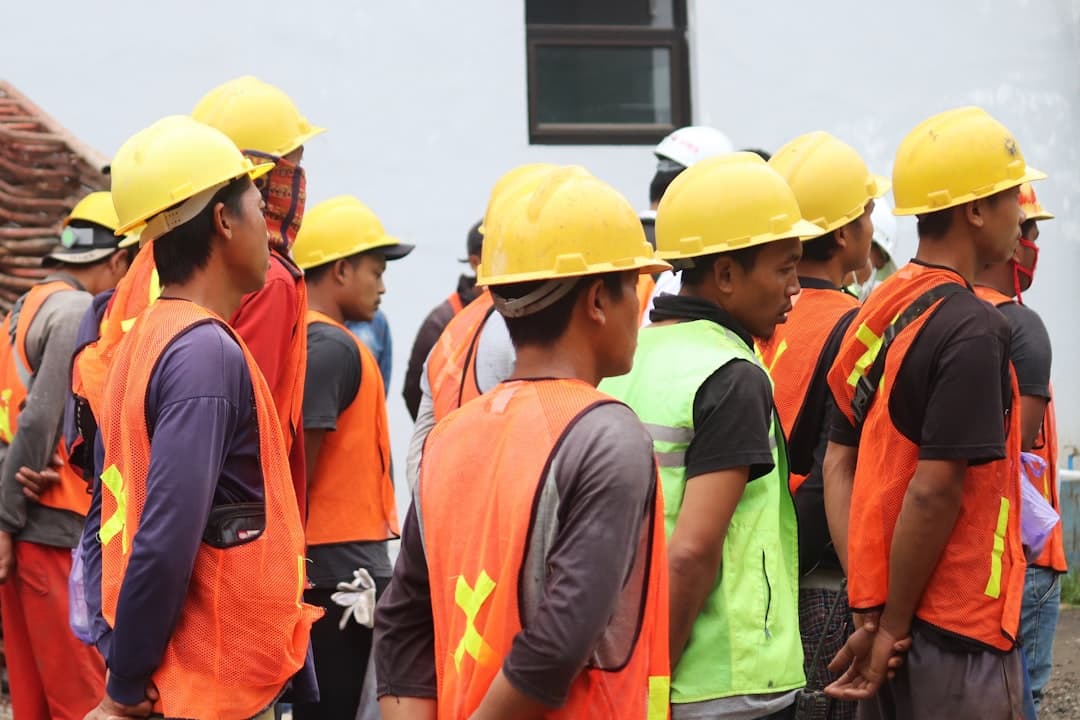
Safety training has one job: make sure the information sticks before someone gets hurt. A worker watching a lockout/tagout module at 7 a.m. is not there for entertainment, and the narration has to respect that. When the voice is flat, robotic, or rushed, attention drifts, and the exact moment you needed someone to remember the right step is the moment they tuned out. That is why the right safety training voiceover is a real part of your risk strategy and deserves attention from the start.
I record this kind of work regularly from my studio in Orlando, and safety managers tend to arrive with the same concern. They have spent weeks getting the content legally accurate, and they do not want the delivery to undercut it. Good news: clear, authoritative narration is a solvable problem, and a few specific choices make most of the difference.
Why Narration Carries More Weight Than You Think
Compliance content is dense by nature. You are dealing with procedures, hazard classifications, regulatory language, and consequences, often in a single five minute module. A trained voice does something a text slide cannot: it tells the listener what matters most through pacing, emphasis, and tone.
Think about a line like "Always verify the energy source is isolated before beginning work." A skilled read lands on "verify" and "before," because those two words are where mistakes happen. An untrained or synthetic read gives every word equal weight, and the listener has to do the prioritizing themselves. Most won't. Strong compliance training narration is doing quiet instructional work in the background, guiding the ear toward the parts that keep people safe.
What Makes a Voice Right for Safety and Compliance
Authoritative narration sounds like a competent colleague who knows the material cold and respects your time. A few qualities matter most:
- Clarity above all. Every term, especially acronyms and chemical names, has to be crisp. There is no room for mumbled consonants when the word is "asphyxiation" or "PPE."
- Steady, deliberate pacing. Safety content should run slower than a commercial read. Listeners are processing new procedures.
- Neutral warmth. A read that is too cheerful feels wrong over images of hazards. A read that is too cold feels like a recording nobody cared about. The target sits in between: calm, grounded, and credible.
- Consistency across modules. If your OSHA training video voice changes character between the fall protection module and the confined spaces module, the series feels disjointed and less trustworthy.
When safety managers ask me to "just make it sound professional," this is what they are actually describing.
Scripting and Pacing for Technical Content
The script and the read have to work together, and a few adjustments before recording pay off enormously.
Write for the ear. Long regulatory sentences that read fine on a compliance document become a wall of sound when spoken aloud. Break them into shorter statements. Put the action first: "Lock the valve, then test it" beats "Prior to commencing work, the valve should be locked and subsequently tested."
Build in breathing room. Procedural narration needs pauses after each step so the visual can catch up and the listener can absorb. I mark these during the read, and I often suggest where they should go when a script arrives without them.
Spell out the hard words. If your module includes a piece of equipment, a chemical, or a regulation number, give me the pronunciation you use on the floor. Workers will trust narration that says the terms the way they hear them every day, and they will notice instantly when it is wrong.
Plan for revisions. Regulations change, procedures get updated, and a single corrected sentence should not force you to re-record an entire module. I keep project files organized so a one line update sounds identical to the original session, even months later. That continuity is one of the most practical reasons to work with the same human voice across a training library.
Where Human Narration Earns Its Place
Synthetic voices have improved, and for some internal memos they are fine. Safety and compliance is a different category. When the content carries legal weight and the stakes are physical, the delivery needs judgment that current text to speech still struggles with: knowing when to slow down on a warning, how to land a number so it registers, how to sound genuinely serious without sounding theatrical.
There is also the trust factor. A worker can usually tell when nobody bothered to have a real person record the training, and that perception quietly signals how much the organization values the content. You can read more about how listeners actually respond to synthetic voices at realvotalent.com/ai-voice-sentiment, but the short version matches what I hear from clients: for material people are required to absorb and act on, a credible human read carries more weight.
The voice should sound like it understands the material and takes it as seriously as you do. Not every project needs a celebrity.
Making the Production Process Easy
The logistics of getting clean narration are simpler than most safety managers expect. I record in a treated vocal booth with a broadcast microphone, and I handle the editing and cleanup separately so the final files are quiet, consistent, and ready to drop into your video or LMS. You send the script and any pronunciation notes, and you get back properly named, edited audio in the format your platform needs.
For larger libraries, I keep a consistent setup and settings across every session, so module twelve sounds exactly like module one. If you have a tight rollout deadline tied to a new regulation or an audit, tell me up front and we will build the schedule around it.
Clear safety training is one of the most valuable things you can give a workforce, and the narration is a bigger part of that than it gets credit for. If you have OSHA or compliance modules in production and want them to sound as authoritative as the content deserves, reach out through trevorohare.com and let's talk through your scripts. I'm happy to record a short sample from one of your modules so you can hear the difference before committing to the full project.
Need a voice for your project?
Broadcast quality voiceover from my studio, priced instantly by script length. From $75.
Written by

Trevor O'Hare
Podcast Editor & Producer
I'm Trevor O'Hare. I edit podcasts for a living, backed by more than 20 years in professional audio. If your show needs a steadier sound, or your week needs fewer editing hours, that's what I do. Flat rates start at $100 per episode.
Learning voiceover? I also teach at VOTrainer.com.