Hiring Voice Talent for Children's Educational Media
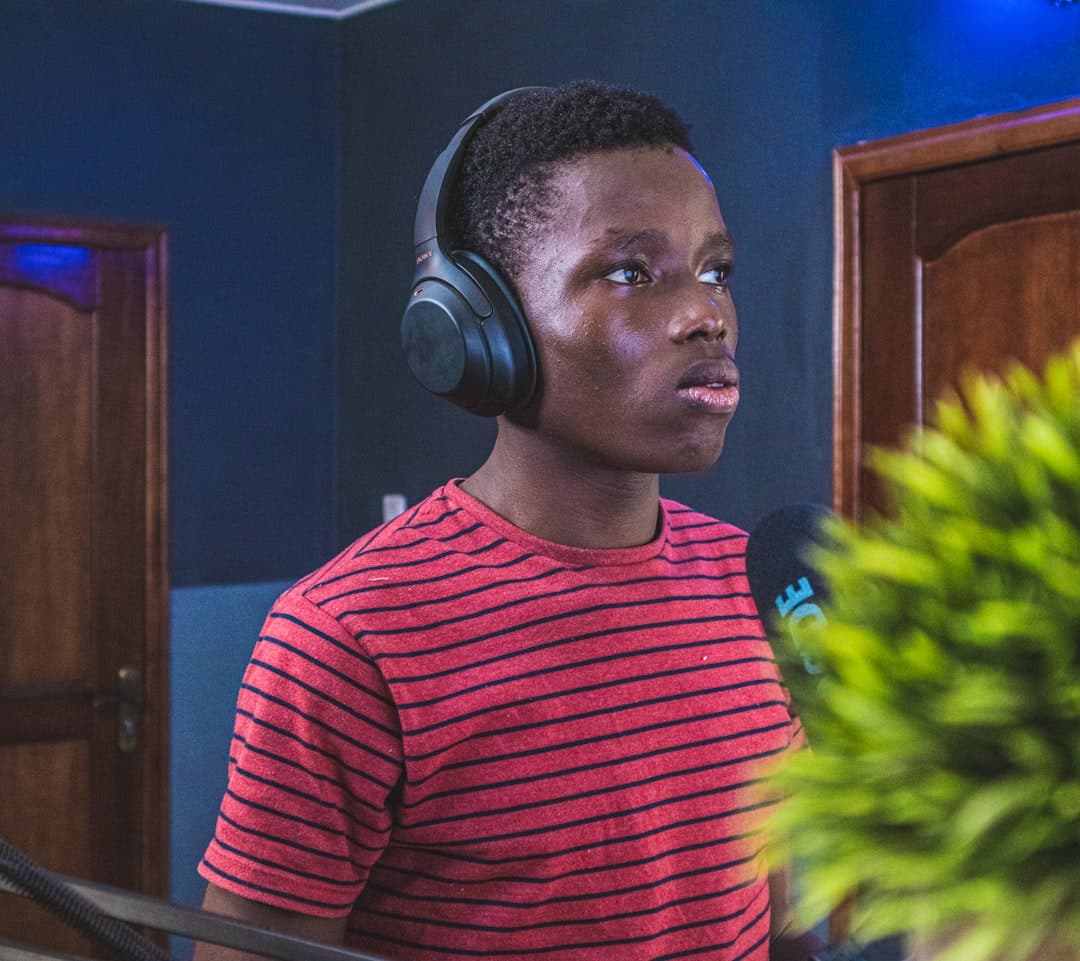
Kids notice when something feels off. A narrator who rushes a punchline, mispronounces a character's name, or reads a counting song like a corporate training module loses a young audience in seconds. For producers and brands building educational videos, apps, and audiobooks, casting the right voice is one of the most important early decisions you will make, and it deserves more attention than it usually gets.
I record voiceovers for a range of clients from my studio in Orlando, and children's educational projects are some of the most demanding work I take on. They require patience, clarity, and a real understanding of how young listeners process language. Here is how to find talent who can actually deliver.
Why Kids' Content Demands a Different Kind of Voice
Adult listeners forgive a lot. They fill in gaps, follow fast pacing, and stay with a narrator even when the read is uneven. Children do not work that way. A child who is learning to read, count, or recognize letters depends on the voice to carry meaning, set rhythm, and signal what matters.
That puts specific demands on a kids content narrator. Pacing tends to be slower, with deliberate space around key words. Articulation has to be cleaner, because a slurred or clipped word can confuse a four-year-old who is hearing it for the first time. Energy needs to stay warm and steady without tipping into the cartoonish, sing-song delivery that adults associate with kids' media but that children themselves often find grating or distracting.
A skilled educational media voice actor also knows how to perform comprehension, not just words. When a script introduces a new vocabulary term, the read should gently spotlight it. When a question is posed to the listener, the voice should leave room for an answer. These are craft choices, and they separate a true children's voiceover artist from a generalist who happens to sound pleasant.
Qualities to Listen for in a Demo
When you review demos, listen past the obvious friendliness. Almost every voice actor can sound nice. Fewer can sustain clarity and engagement across a full project.
Pay attention to consistency. A long-form audiobook or a 30-lesson app series needs a narrator who sounds the same in session 12 as they did in session one. Listen for clean diction on consonant-heavy words, since young learners rely on hearing the difference between "ship" and "chip" or "three" and "free."
Check for range without gimmickry. Many children's projects ask one performer to narrate and voice a few characters. You want someone who can shift into a curious puppy or a wise old owl and then return to a calm narrator voice without straining. Ask for a sample that includes both straight narration and a light character read so you can hear the transition.
Finally, listen for an actor who sounds like they are talking to a child, not performing at one. The best reads feel like a trusted adult sitting beside the listener.
Matching the Voice to the Format
The format you are producing changes what you should prioritize.
For educational videos, timing matters most. The voice often syncs to on-screen animation, so you need a performer who can hit specific durations and adjust pacing on direction without losing warmth. Build a little flexibility into your script for breath and pauses.
For apps and games, you are usually dealing with hundreds of short lines: encouragement phrases, instructions, letter and number prompts, and reactions to right or wrong answers. Consistency and stamina are everything here. The same "Great job!" might play thousands of times, so it has to feel genuine and not wear thin. A narrator who can keep takes uniform across a large pickup list will save you painful re-records later.
For audiobooks, endurance and character memory are key. A chapter book might run several hours, and listeners notice if a character's voice drifts. Ask any prospective kids content narrator how they track character voices across a long project. Professionals keep notes and reference recordings.
What to Ask For Before You Book
A short conversation up front prevents most production headaches. Before you book a children's voiceover artist, get clear answers on a few things.
Ask about their recording setup. Kids' content needs clean, quiet audio, because background noise pulls focus fast. I record in a treated vocal booth with a Sennheiser MKH416, then edit and clean every file with iZotope RX, so what you receive is broadcast-ready. You want talent who can describe their chain and deliver files that do not need rescue work.
Ask about pronunciation handling. Educational scripts are full of names, places, foreign words, and invented characters. A pronunciation guide is your friend, and a good narrator will request one or flag anything ambiguous before recording rather than guessing.
Ask about revisions and pickups. Kids' projects almost always need additions: a new level, an extra chapter, a corrected line. Confirm how the talent handles pickups, what they charge, and how long they keep your project's settings on file so later sessions match the original.
Ask about usage and licensing. Educational media often runs for years across multiple platforms, so make sure the rights you are paying for cover where the audio will actually live.
Directing for Young Listeners
Even great talent benefits from clear direction. Tell your narrator the age of the target audience, since a read for toddlers differs sharply from one aimed at eight-year-olds. Share the learning goal of each piece so the actor knows which words to lift. If there is a brand voice or an existing series style, send reference audio.
Resist the urge to push for more energy on every take. A calmer, grounded read often holds a child's attention better than a high-octane one, and it ages better when a parent hears it for the hundredth time. Trust an experienced educational media voice actor when they suggest a gentler approach, because they have watched what actually lands.
Bringing It All Together
Casting voice talent for children's content is a craft decision, and the difference shows in the finished product. The right performer makes your material clearer, warmer, and more effective at teaching, and they make your whole production smoother by delivering clean, consistent audio you can build on.
If you are producing educational videos, apps, or audiobooks for young audiences and want a voice that kids connect with and parents trust, I would love to hear about your project. Reach out through my site to talk through your script, request a custom audition, and get a clear quote for your timeline.
Need a voice for your project?
Broadcast quality voiceover from my studio, priced instantly by script length. From $75.
Written by

Trevor O'Hare
Podcast Editor & Producer
I'm Trevor O'Hare. I edit podcasts for a living, backed by more than 20 years in professional audio. If your show needs a steadier sound, or your week needs fewer editing hours, that's what I do. Flat rates start at $100 per episode.
Learning voiceover? I also teach at VOTrainer.com.