How Long Does a Professional Voiceover Project Take?
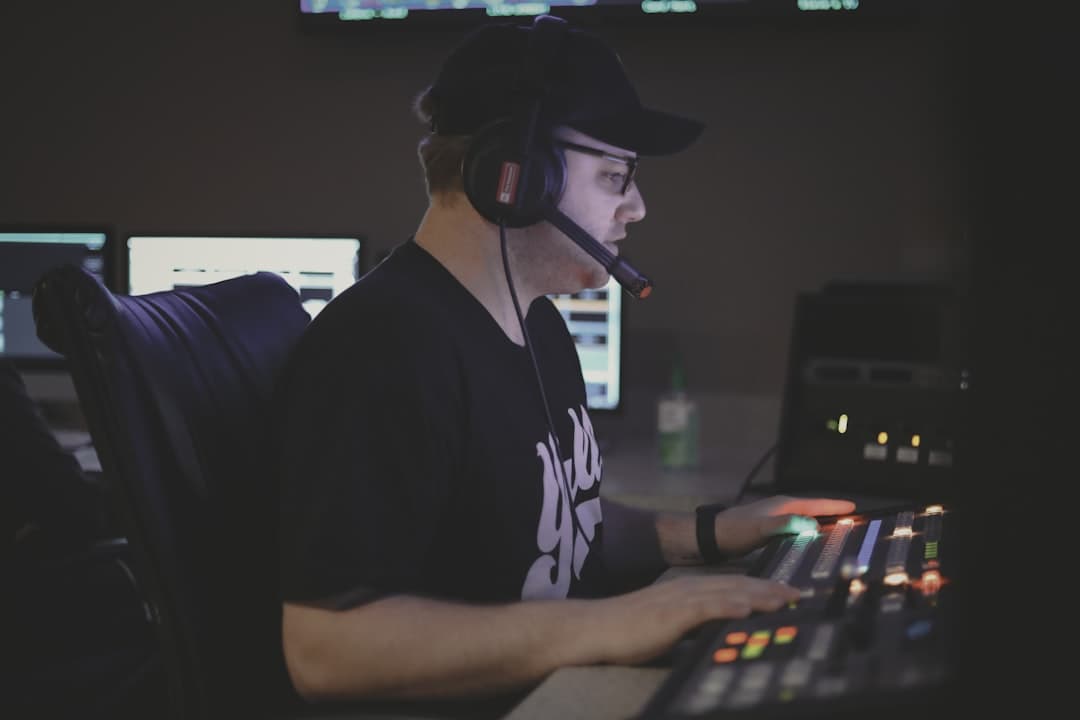
A client emailed me last month asking if I could turn around a 30-second radio spot by the end of the day. I had it back to her in about two hours. The following week, a different client needed a 90-minute audiobook sample, full production, and that one took the better part of a week. Both requests were completely reasonable. The difference comes down to what "a voiceover project" actually means, because the range is enormous.
If you're planning a production and trying to slot voiceover into your schedule, you need a realistic sense of voiceover turnaround time before you commit to a hire. Here's how the timeline actually works from inside a professional studio.
What Determines Voiceover Turnaround Time
Three things drive almost every delivery estimate: script length, the number of revisions you expect, and the type of post-production the project needs.
Script length is the obvious one. A 15-second tag line records in minutes. A 20,000-word e-learning module is a multi-day commitment no matter how efficient the studio is. Recording is rarely the bottleneck, though. The work that eats time happens after the microphone is off.
Revisions matter more than people realize. A clean project with an approved script and no changes can deliver same-day. A project where the client wants to hear three different reads, then adjusts the script twice, then requests a slower pace, can stretch across a week even if the total audio is only a minute long. None of that is a problem. It just needs to live in your timeline.
Post-production is the third factor. Raw audio and finished audio are different products. I record in a treated Whisper Room booth with a Sennheiser MKH416, then move to my desk for editing in Reaper and cleanup in iZotope RX 11 Advanced. Removing breaths, mouth clicks, and room noise, then matching levels to broadcast spec, takes real time. A heavily processed promo with music and effects sits at one end of that scale. A dry, unedited read sits at the other.
Typical Delivery Times by Project Type
Here is a realistic picture of voice actor delivery time across the work I do most often. These assume a finalized script and a normal revision cycle.
Commercial spots (15 to 60 seconds): One to two business days is standard, and rush same-day delivery is often possible. The recording is quick. Most of the time goes into giving you a couple of read options and polishing the final pick.
IVR and phone prompts: Two to three business days for a typical menu system. The recording is fast, but consistency across dozens of short prompts and precise file naming and formatting add handling time.
E-learning and narration: Three to five business days for a standard module, longer for large courses. Word count is the main driver here, and these projects usually involve pronunciation guides and term lists that need a pass before recording starts.
Explainer and corporate video: Two to four business days, depending on length and whether you need timing matched to picture.
Audiobooks: This is the long one. Expect roughly a week of production for every hour of finished audio, sometimes more. A full-length book runs several weeks. Proofing and correction passes are a significant part of that, and rushing an audiobook usually shows.
Animation and video game: Highly variable. A single character session might wrap in a day, but these projects often involve directed sessions, multiple takes per line, and scheduling around a director, which extends the calendar.
What Happens Between Booking and Delivery
Understanding the steps explains why a one-minute script is not a one-minute job.
First comes script review. I read through your copy, flag anything ambiguous, and confirm pronunciation of names, brands, and technical terms. Catching these before recording saves a round of revisions later.
Next is the recording itself, done in the booth. For most commercial work I capture a few interpretations so you have genuine choices rather than a single take.
Then editing and post-production at the desk. This is where Reaper and RX 11 do the heavy lifting: trimming, removing noise and mouth sounds, and setting levels to the spec your project requires. Adding music or sound design adds a pass.
Finally, delivery and revisions. You review the files, and if something needs adjusting, that cycle takes anywhere from a few hours to a day depending on the change. A pacing tweak is quick. A script rewrite means re-recording.
When You Need It Faster Than Standard
Plenty of projects are genuinely urgent, and a professional home studio is built for exactly that. Because I control recording and post-production under one roof, there is no scheduling a separate studio or waiting on an engineer. Same-day and next-day turnaround on short-form work is realistic when the script is locked.
A few things make rush delivery actually achievable. Send a finalized script, not a draft you're still editing. Include pronunciation notes up front. Be clear about the technical specs you need, like file format, sample rate, and whether you want breaths left in or cleaned out. And be reachable for quick approval, because a rush job stalls the moment it's waiting on feedback.
The honest limit is quality. I won't shortcut the cleanup that makes audio sound broadcast-ready, so very long projects have a floor on how fast they can responsibly ship.
How to Plan Your Production Timeline
Build your voiceover project timeline by working backward from the date you actually need finished files in hand, then add a buffer.
For short commercial and corporate work, budget two to three business days even if you're hoping for faster. That cushion covers one revision round without panic. For e-learning, give it a week. For audiobooks and large multi-file projects, plan weeks, not days, and lock your script early, since mid-project script changes are the single biggest cause of delays.
One more practical tip: finalize your script before you book. The fastest projects I deliver are always the ones where the copy is approved and the specs are clear from the first email. Every hour of indecision on the front end pushes your delivery date back.
If you have a production deadline coming up and want a straight answer on how quickly your specific project can be turned around, send me the script details and I'll give you a realistic delivery date before you commit. Clear timelines make for calm productions, and that's the way I like to work.
Need a voice for your project?
Broadcast quality voiceover from my studio, priced instantly by script length. From $75.
Written by

Trevor O'Hare
Podcast Editor & Producer
I'm Trevor O'Hare. I edit podcasts for a living, backed by more than 20 years in professional audio. If your show needs a steadier sound, or your week needs fewer editing hours, that's what I do. Flat rates start at $100 per episode.
Learning voiceover? I also teach at VOTrainer.com.